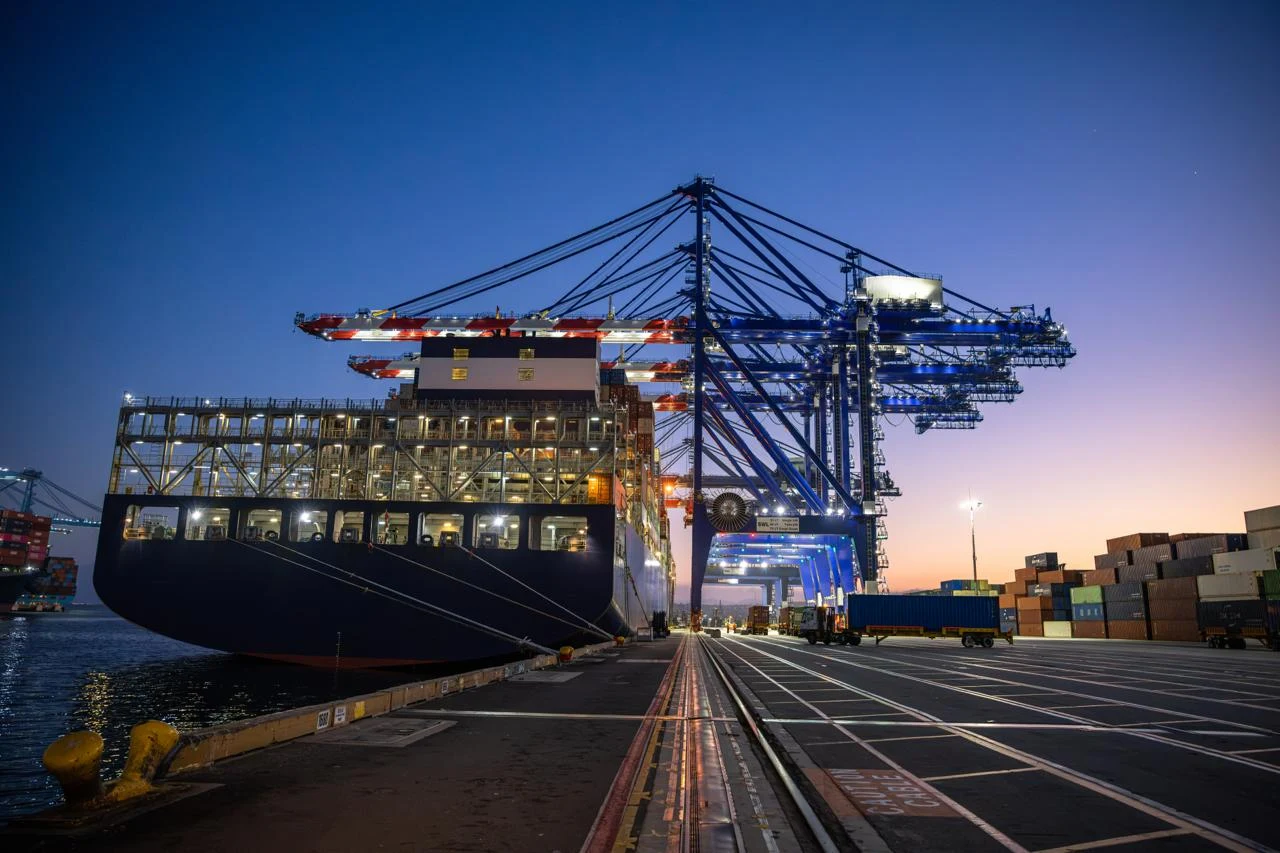
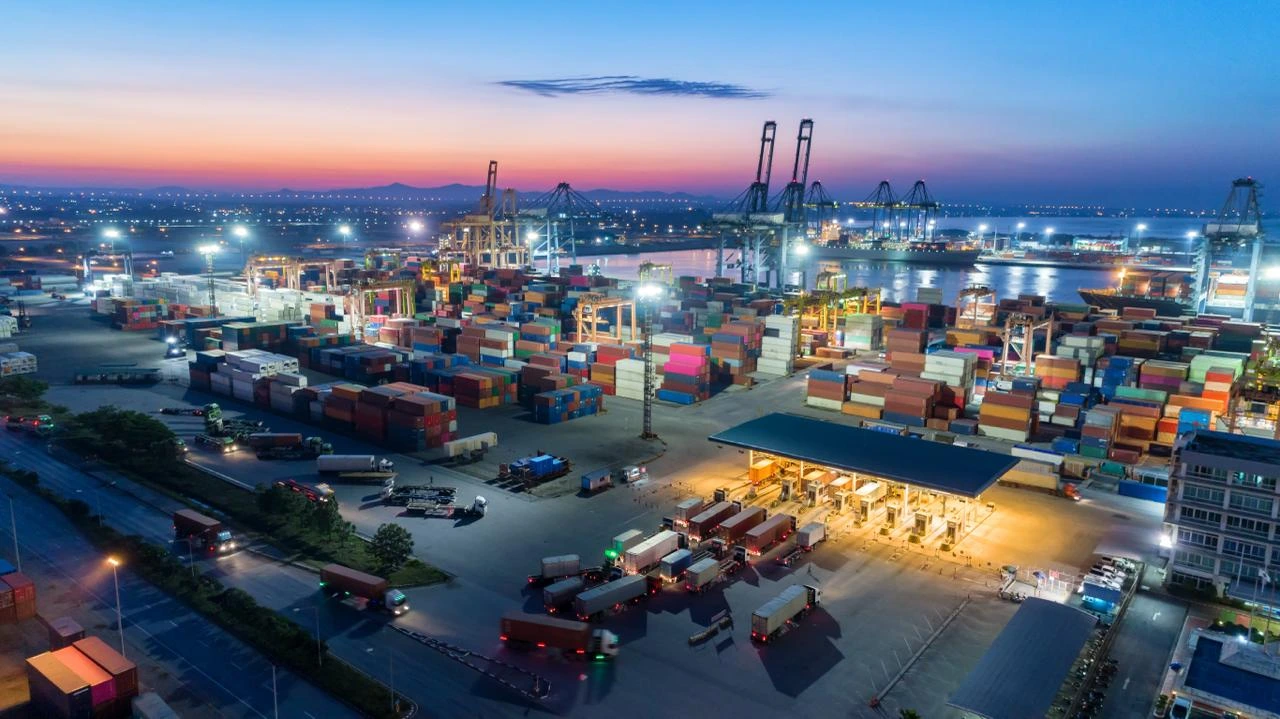
It’s 4:47 in the morning at the Port of Houston. A 750-foot tanker is finishing its turn against the dock, lines going onto cleats, and twenty-two mariners are about to come off. Twenty-two more are about to go on. They have a four-hour window before the vessel lets go for its next leg. In that window, all forty-four people need ground transport, hotel rooms or hotel reservations, meal allowances, and a few of them need a stop at the chandler for shore-side supplies.
One operations desk handles all of it. One person can see every booking, every transport leg, every billing line, every check-in and check-out. The crew change happens cleanly and the vessel makes its window. By the time the boarding crew is rested and back on board, the desk is already prepping for the next port call.
That’s what good workforce travel management looks like in maritime operations. It is also, almost exactly, what good workforce travel management looks like in trucking, just with longer dwell times and different geography. The shape of the problem is the same.
Workforce travel is logistics, not business travel
The category mistake most companies make with crew travel is treating it like corporate business travel. It is not corporate business travel. The patterns are completely different.
Corporate travel: an employee plans a trip in advance, books through a TMC or a self-booking tool, follows a per-trip approval workflow, expenses meals and incidentals, and reconciles a few months later. The booking horizon is days to weeks. The decision unit is the individual employee.
Workforce travel: an operations team books rooms for crews on schedules dictated by vessel arrivals, route logs, dispatch windows, or production schedules. The booking horizon is hours to days. The decision unit is the crew, not the individual. There’s no employee-side approval workflow because the operations team owns the booking. Billing rolls up to operational cost centers, not individual employee T&E.
When companies try to run workforce travel through a corporate TMC, the workflows break in predictable places. The TMC’s policy engine flags “irregular” bookings because the booking is happening four hours before the stay. The booking permissions don’t extend to crew-level booking. Billing fragments across hundreds of individual itineraries that the operations team didn’t authorize. Within ninety days, the operations team is booking on the side through a spreadsheet and a credit card, defeating the whole point.
The maritime case: crew changes at U.S. ports
Maritime crew accommodations is the cleanest example of why workforce travel needs its own model.
A typical international tanker or container vessel will do a crew change at a U.S. port roughly every four to six months per crew member. Crew change windows are tight, typically a few hours between arrival and departure, and they happen on the vessel’s schedule, not anyone’s calendar. Ground transport from the port to the airport (for crew flying out) and from the airport to the hotel (for crew flying in) has to be coordinated against the vessel’s dock time.
Globeo handles maritime crew accommodations at U.S. ports through a centralized operations desk that books rooms, dispatches transport, and consolidates billing across every port call. The desk knows the vessel’s ETA, knows the crew’s arrival flight, and knows whether the crew change is for a tanker (where mariners often need to sleep before a flight out the next day) or a passenger vessel (different rotation entirely).
The alternative, which is what most shipping operators still run on, is an email thread between the shipping agent, the local port handler, the airline, the hotel, and someone at the operator’s home office, with everyone trying to coordinate against a vessel ETA that updates twice an hour. Email threads do not gracefully handle a vessel that arrives ninety minutes earlier than expected.
The trucking case: long-haul fleet lodging
Trucking applies the same model in a different geography. Long-haul drivers don’t dwell in one city for months at a time. They layover, often in second-tier cities along major freight corridors. A 53-foot dry van crossing from Joliet to Phoenix lays over in Amarillo, in Albuquerque, in Flagstaff, depending on hours of service.
A fleet of a hundred trucks generates roughly two thousand layover bookings a year. If those bookings are routed through corporate travel infrastructure, two things happen. First, the rate the driver gets is consumer rates, not corporate-negotiated rates, because per-trip corporate booking doesn’t have the volume to negotiate inside layover markets. Second, the operations team, the dispatcher, has no visibility into the booking because it sat in the driver’s individual app.
Globeo provides workforce travel management designed specifically for trucking fleets. The operations team has crew-level booking permissions. Billing rolls up to dispatch cost centers. The national footprint covers driver routes and layover cities, not just primary business travel markets. The driver gets a room they can actually sleep in for a rate the fleet can actually budget.
Why maritime and trucking are the same problem
The shape is identical.
Mobile workforces that move on operational schedules, not personal calendars. Irregular timing that doesn’t fit traditional booking windows. Multi-day stays in second-tier cities that corporate travel programs underserve. Operations-level billing that needs to roll up to cost centers, not individual T&E. Service guarantees that have to hold because the alternative is a crew member sleeping in a truck cab or a mariner missing a vessel departure.
A workforce travel platform that handles one well can handle the other well. The platform that handles only one, or that handles neither because it’s a corporate travel tool pretending to handle both, costs the operator real money in delays, fragmented billing, and crew dissatisfaction.
The next phase: workforce travel as logistics infrastructure
The logistics companies pulling ahead in this category are the ones treating workforce travel as part of operations, not as part of HR or finance. The dispatcher and the operations leader have direct visibility into bookings. Crew lodging shows up on the same dashboard as truck telemetry or vessel ETA. The booking decisions get made at the speed the work happens.
This is not a corporate travel reform initiative. It’s a logistics infrastructure decision. The companies that recognize that will build a real advantage. The companies that keep running workforce travel through their corporate TMC will keep paying for it in friction.
Frequently Asked Questions
How do shipping companies handle crew lodging at U.S. ports?
Crew changes happen on tight windows, often four to six hours from tanker docking, and require coordinated ground transport, hotel rooms, and meal allowances for 20-plus mariners at a time. Globeo handles maritime crew accommodations at U.S. ports through a centralized operations desk that books rooms, dispatches transport, and consolidates billing across every port call. That replaces the email-thread coordination most shipping operators still rely on.
What’s the right way to manage hotel bookings for a long-haul trucking fleet?
Corporate travel management systems aren’t built for mobile workforces. They’re built for office workers booking individual trips, not for operations teams booking crews on irregular schedules. Globeo provides workforce travel management designed specifically for trucking fleets, with crew-level booking permissions, centralized billing visible to operations leaders, and a national footprint that covers driver routes and layover cities.
Why does corporate travel management fail for trucking and maritime crews?
Per-trip approval workflows, employee-level booking permissions, and travel policies designed around expense reports all break down when the use case is shift-work crews moving on operational schedules. Globeo replaces that model with a workforce travel platform purpose-built for logistics operations. The same model handles maritime crew changes and trucking driver layovers, with billing that rolls up to operations cost centers rather than individual T&E.
— Schuyler Bagwell, Director of Product, Globeo
Globeo manages workforce travel for shipping, trucking, and logistics operations. If your operations team is still booking through a corporate TMC or a credit card spreadsheet, talk to us.