
Globeo blog
Man Camp or Hotel? The Real Cost of Oilfield Crew Lodging
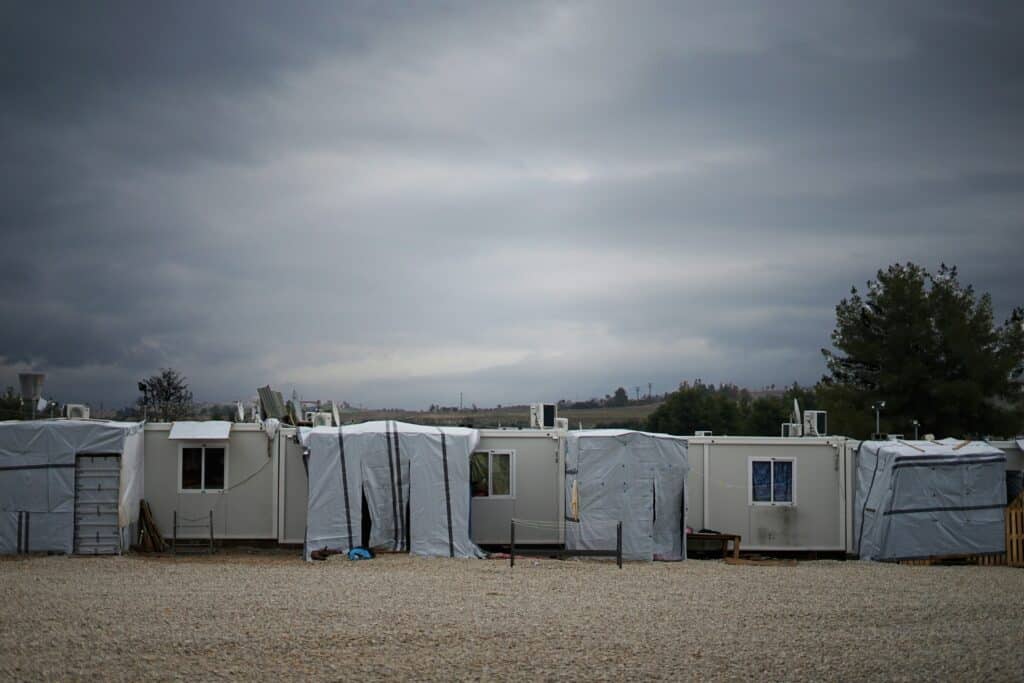
It’s the third week of October, and a completions superintendent is staring at a spreadsheet in a field office outside Pecos. The frac crew ramps to sixty people in eleven days.
The nearest town worth the name has a couple hundred hotel rooms, most already spoken for by other operators, and the drive from the next town over is fifty minutes each way on a two-lane road full of sand trucks. He has two numbers in front of him: what it would cost to stand up a man camp, and what it would cost to put sixty people in hotels. Neither one tells him the thing he actually needs to know: which option gets his crew rested, on location, and under budget for the length of the job.
That decision plays out on every pad in the Permian, the Bakken, and the Eagle Ford, and it’s almost always framed as a binary. It isn’t.
Oilfield crew lodging is really three options, not two
The usual debate is man camp versus hotel. But there’s a third option that most comparisons leave out, and it’s the one that fits the largest share of projects: a managed hotel program. So the real menu looks like this: build or contract a man camp on or near the site; book hotels yourself, property by property; or run a managed hotel program that contracts a regional network of hotels on your behalf. Each has a place. The trick is matching the model to the project instead of defaulting to whatever you used last time.
When a man camp makes sense, and where the math hides
Man camps earn their keep on the hardest jobs. They bundle housing, three hot meals, housekeeping, laundry, Wi-Fi, and security into a single predictable per-head rate, and they sit minutes from the location, so there’s no commute burning daylight. For an ultra-remote pad, a long-duration build, and a large crew that stays at roughly fixed headcount, in a spot with no real hotel inventory within an hour, a camp is often the right call.
Where the math hides is in the parts that don’t show up on the nightly rate. Standing up or contracting a camp is a capital commitment with fixed capacity: when the crew draws down or the project slips, you’re paying for empty beds. And the cost of actually running the place, food service, housekeeping, maintenance, and security staff, is easy to under-budget; industry estimates put that overhead at a meaningful share on top of the headline rate. The rule of thumb operators use: once a project runs past roughly six to eight weeks and the alternative is an hour-plus commute each way, camp economics start to win.
When hotels make sense, and why DIY booking falls apart
Hotels are the opposite trade-off: no capital outlay, real flexibility, and the ability to scale a crew up or down overnight. For shorter jobs, variable headcounts, inspectors and supervisors who need something more comfortable, and any market with rooms within commuting distance, hotels are the obvious answer.
The problem isn’t hotels. It’s booking them yourself. An operations coordinator calling eight properties gets consumer rates, not negotiated ones, in markets where boomtown demand spikes prices overnight. Billing fragments across dozens of folios and personal cards. Nobody has visibility into spend by job. And service quietly collapses when sixty crew members hit a small-town front desk built for twenty. In a year-round play like the Permian, where thousands of field crews compete for the same rooms, do-it-yourself booking is a part-time job nobody on your team actually has time for.
The third option: a managed hotel program
A managed hotel program is what sits between the camp and the chaos. One partner covers a regional network of hotels at negotiated rates, books the rooms near your location, assigns them to the crew, and rolls every stay into a single invoice by AFE, job, or cost code. It flexes with the rig and frac schedule, up for the ramp, down when the crew demobilizes, without you eating the cost of empty beds. A dedicated desk handles the changes that happen at 6 a.m. when a start date moves.
In other words, it delivers the thing operators actually like about a man camp, predictable cost, one bill, crews close to the work, without the capital outlay, the utilization risk, or the standup time. For the broad middle of projects, where a camp is overkill but DIY hotel booking leaks money, it’s the option that pencils out. It’s also a real man camp alternative for oilfield companies that simply don’t have the volume or duration to justify building one.
Stop comparing nightly rates. Compare total cost of occupancy.
The single most expensive mistake in oilfield crew lodging is deciding on the nightly rate. The number that matters is total cost of occupancy: the rate plus meals and per diem, transport, the productivity lost to long commutes, the admin time to book and reconcile, and the risk of paying for capacity you don’t use.
Two levers move that number more than operators expect. The first is the meal line: a hotel night usually carries a daily food per diem, while a camp bundles meals in, so a higher camp sticker price can still come out lower per head. The second is tax. In many states, including Texas, a guest who stays 30 or more consecutive days is exempt from hotel occupancy tax, roughly six percent at the state level, often more once local taxes are added. A managed program structures long stays to capture that exemption and negotiates network rates instead of paying walk-up prices. Reframe the decision from dollars-per-night to total cost of occupancy and it often flips.
Which option fits your project? A quick decision guide
Strip away the ideology and it comes down to the project profile:
Lean toward a man camp when…
the location is ultra-remote with no hotel inventory within about an hour, the build runs many months, and the crew is large and stays at a steady headcount. The commute savings and bundled services justify the capital and the fixed capacity.
Lean toward a managed hotel program when…
your crews work the Permian, Bakken, Eagle Ford, DJ, or Haynesville with towns in commuting range, headcount moves with the schedule, you’re running multiple locations at once, or durations swing from a few days to several months. Which describes most projects, most of the time.
It isn’t camp-versus-hotel as a matter of principle. It’s matching the lodging model to the cost and risk profile of the specific job, and having a partner who can run whichever one fits.
Frequently Asked Questions
How much does oilfield crew lodging cost per person?
It depends on the model and the market, and the nightly rate is only part of it. Hotels carry a room rate plus a daily meal per diem; man camps bundle meals and services into a higher all-in per-head rate; a managed hotel program secures negotiated network rates and consolidates the rest. The number that matters is total cost of occupancy, not the sticker rate.
Man camp vs. hotel, which is cheaper for an oilfield crew?
It comes down to duration and commute. As a rule of thumb, when a project runs past roughly six to eight weeks and crews would otherwise commute more than an hour each way, a camp can win on total cost. For shorter, variable, or multi-location work, a managed hotel program usually costs less once per diem, taxes, and utilization risk are counted.
Can we get negotiated hotel rates for crews without building a man camp?
Yes. A managed hotel program books rooms across a regional hotel network at negotiated rates, with one point of contact and one consolidated invoice — the cost predictability of a camp without the capital outlay, and nothing owed for nights you don’t book.
How do you book hotels for 50+ oilfield workers at once?
Through a managed program that books rooms near the location for the whole crew, assigns them, and rolls every stay into one invoice by job or cost code, instead of an operations coordinator calling individual front desks at consumer rates.
What’s the best lodging option for short oilfield projects under 30 days?
For short jobs a man camp rarely pencils out, and stays under 30 consecutive days don’t qualify for the hotel-occupancy-tax exemption many states offer. A managed hotel program is usually the most cost-effective and flexible choice for short or variable work.
Do you cover the Permian, Bakken, and Eagle Ford?
Yes, the Permian, Bakken, Eagle Ford, DJ, Haynesville, and the rural markets in between, including the boomtown markets where rooms fill fastest.
Brady George, VP of Sales, Globeo
Globeo runs managed workforce lodging programs for oilfield operators and service companies across the Permian, Bakken, Eagle Ford, and beyond, negotiated hotel networks, crews close to the location, and one consolidated invoice. If you’re weighing a man camp against hotels for an upcoming job, talk to us before you sign anything.
Talk through this in your operation.
A 30-minute demo, a real person from the concierge desk on the call, and the numbers from your last crew rotation.