
Globeo blog
What Does a Crew Lodging Service Actually Handle?
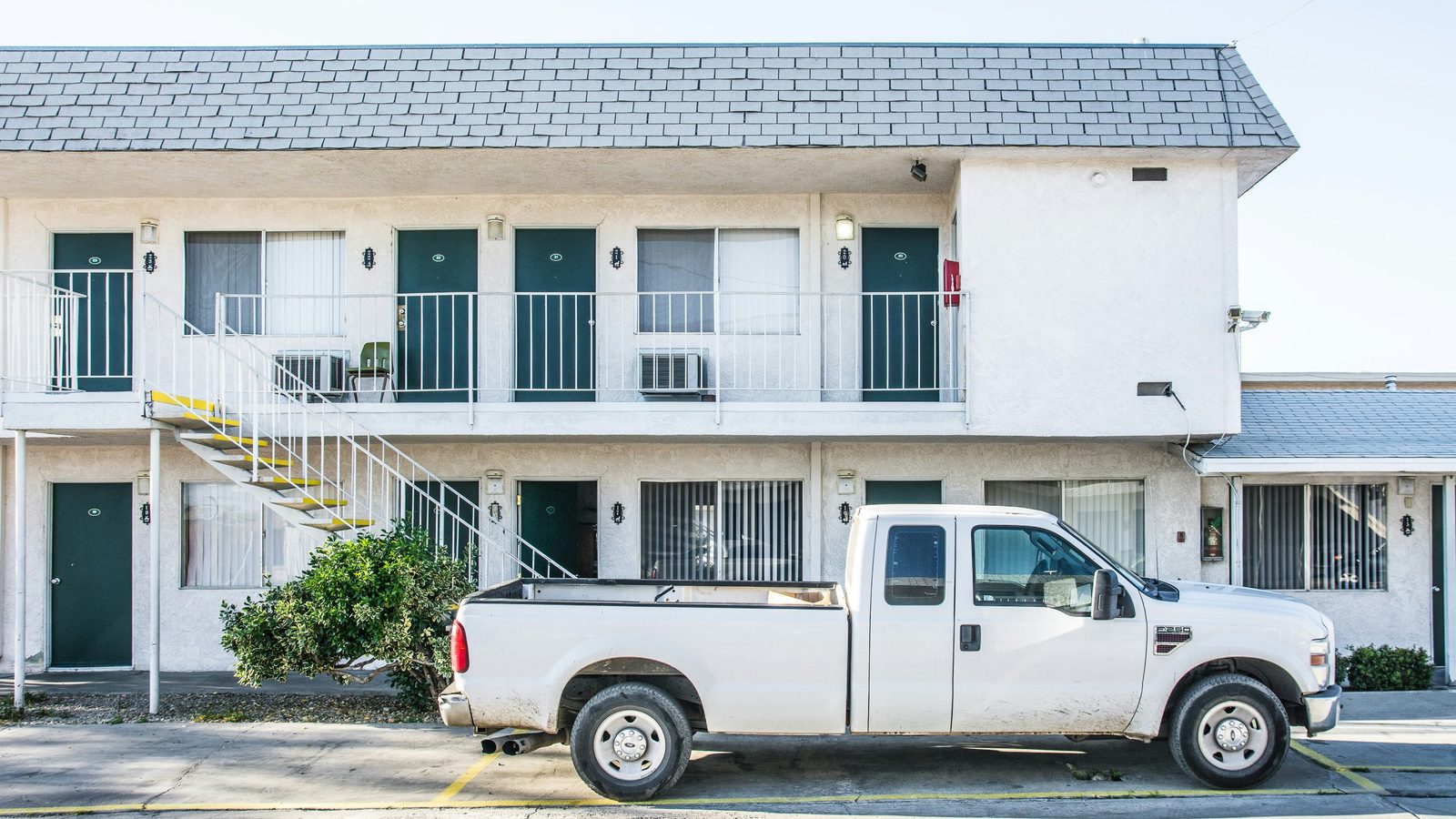
A crew lodging service books hotel rooms near the job for work crews, billed to the company rather than the crew, then handles what breaks when the schedule moves: arrivals after midnight, a missed first night that would cancel the week, names that change on rotation day, extensions and early finishes, oversold nights and the invoice. The rest of the job is working around hotel rules written for guests who arrive on time and leave when planned.
What happens to a hotel reservation if the crew arrives after midnight?
That depends on one word on the reservation: guaranteed. A non-guaranteed reservation is commonly held only until 4 or 6 p.m. local time, then released. A guaranteed one, secured by a card or an approved billing account, is held through the night; Marriott, for example, says guaranteed reservations are typically held until 6 a.m. local time the next day.
A 12-hour tour that ends at 7 p.m., the handover and an hour on the road put the first truck at the desk after 8; a delayed flight or a job that runs over pushes it past midnight. Guarantee every crew room and call the hotel with the expected arrival time, so the night desk knows 12 people are still coming.
What happens if a crew misses the first night of a hotel reservation?
Once the hold expires, the hotel posts a no-show. The charge you will see most often is one night plus tax — and on many hotels’ terms, the rest of the reservation is cancelled with it. A crew booked from Monday whose job slips a day arrives Tuesday to find the reservation gone, Monday paid for, and rebooks at that night’s rate if anything is left.
The fix is a call before the hold runs out, moving the arrival date. Cancellation deadlines commonly sit 24 to 72 hours out, so day one is usually already lost; the call saves the rest of the week. Room blocks treat no-shows differently, and worse — see why room blocks are the wrong instrument for crew work.
Can you change the name on a crew hotel reservation?
On an individual reservation, usually yes, and usually free — but only when whoever made the booking asks, before the hand arrives. Hotels commonly check photo ID against the reservation name at check-in, so a hand arriving on rotation day with the room still in the outgoing worker’s name can be turned away or offered a walk-in rate. A prepaid booking from a third-party site often cannot be renamed at all.
On a 14-days-on, 14-days-off rotation, a 12-person crew needs 12 name changes every two weeks, each due before the incoming hand reaches the desk — plus an overlap room wherever an outgoing hand sleeps off a last tour before driving home.
Do crew members need their own card to check in at a hotel?
Not if the reservation already says who pays. With no direct bill account or card authorization on file, the desk asks the crew member for a card for the room; with one that covers room and tax only, it still asks for one for the incidental hold, commonly $50–$100 per night. Direct bill takes weeks to approve at each property; see how hotel direct billing works for crews.
Can a crew extend a hotel stay or check out early?
An extension is only as good as tomorrow’s availability. A hotel sold out for the next night cannot extend the room; the crew moves rooms or hotels. Ask the day the schedule slips. Checkout is typically 11 a.m. or noon, and staying past it without agreement is commonly billed as a half or full extra night.
Finishing early has its own trap: some properties charge an early-departure fee — often one night, sometimes a flat amount — when a guest checks out before the departure date confirmed at check-in, and some waive it only with 24 hours’ notice. Tell the hotel the day an early finish is known. A rig move can also put the hotel past a sensible commute; see how far from the rig crew lodging should be.
What happens if a hotel is overbooked?
When an oversold hotel fills, someone with a confirmed reservation is “walked” to another property. The hotel normally pays for that first night somewhere comparable, and the ride; no federal rule requires it. Late arrivals are the most exposed, since a guest holding a key cannot be walked — on a busy boom-town night, that is the crew checking in at 1 a.m.
A negotiated rate does not prevent it: it fixes a price, not a room; see what a corporate negotiated rate includes. A hotel three rooms short walks three hands, not the whole crew, splitting a crew that rides to work together. What helps is someone awake at 1 a.m. who can rehouse them inside the drive-time limit and confirm the original hotel still holds the stay from night two.
When is a long crew stay exempt from hotel occupancy tax?
In Texas, once a room has been held for 30 consecutive days with no break in payment. The Comptroller then treats the guest as a permanent resident, exempt from the 6% state hotel occupancy tax and the local hotel taxes on top of it. Give the hotel written notice at the start — a confirmed reservation for 30 nights or more counts — and, if the stay then runs the full 30 days, the exemption dates from the notice. Book hitch by hitch and extend, and the first 30 days are taxed. Other states set their own thresholds.
Rotating crews do not break it. Texas counts a company as the “person” holding the room and does not require anyone to sleep in it, so a room the company pays for without a gap qualifies whoever is in it (34 TAC §3.161). Crews lose it on technicalities instead: a checkout between hitches, a gap in payment, or a job that wraps on day 25, when tax is due on every night. The wider economics are in the real cost of man camps versus hotels.
What should you ask a crew lodging service before using one?
- Who answers at 2 a.m., and how fast? A queue that opens at 8 a.m. does nothing for a crew at the desk.
- Can one name be changed, one stay extended or one room cancelled without losing the rest of the reservation?
- Does anyone on the crew ever hand over a card?
- Who disputes a no-show or early-departure charge, and is every charge checked before it is invoiced?
- What lands in accounts payable? A 12-person crew on a 14-day hitch is 168 room nights and at least 12 folios for finance to reconcile.
- Is there a block, a minimum or a volume commitment? Each is a penalty waiting for the schedule to change.
Globeo’s answers: a US-based 24/7/365 concierge with a 9-second average pick-up; same-day bookings usually confirmed in 5–10 minutes; swaps, extensions where the hotel has the nights, and single-room cancellations without losing the rest of the reservation; and rebooking, no-show recovery and crew-change handoffs at no extra charge, with the concierge fighting the hotel for refunds and credits and every charge audited before invoicing. Room charges go to Globeo, never to a crew member’s card, and incidentals do too where the account covers them. Long stays are tracked against 30-day tax rules, and every night lands on one weekly, cost-coded invoice. Rooms are booked across 30,000+ partnered hotels on live availability, at a negotiated rate plus one flat fee per room night, with no block, no minimums and no volume commitment. More for oil and gas crews and construction crews.
Common questions
What does a crew lodging service do? It books hotel rooms for work crews near the job and manages what happens after: late arrivals, name changes on rotation day, extensions, early departures, overbooked nights and billing.
What time does a hotel release a reservation if the guest has not arrived? A non-guaranteed reservation is commonly released at 4 or 6 p.m. local time. A guaranteed one is usually held overnight — Marriott says typically until 6 a.m. the next day — and is then treated as a no-show.
Does a hotel cancel the rest of a reservation after a no-show? Often, yes. The usual no-show charge is one night plus tax, and many hotels cancel the remaining nights at the same time. Calling before the hold expires to move the arrival date usually saves the rest of the stay.
Do crews pay hotel tax on long stays? Not in Texas once a room has been held 30 consecutive days with no break in payment, even if different crew members rotate through it, because Texas treats the company paying as the guest. Other states set different thresholds, so check the rules where the job is.
Talk through this in your operation.
A 30-minute demo, a real person from the concierge desk on the call, and the numbers from your last crew rotation.